
As you know already, owning a boat is expensive. Every minute it sits on saltwater, it’s corroding the metal components keeping it running.
Most boat owners never think about it until something expensive stops working. Thankfully, zinc anodes are the small, unassuming parts that prevent this problem. But what is zinc anode in a ship, exactly? This is what the Barnacle Kings will go over in this article.
What Is a Zinc Anode?
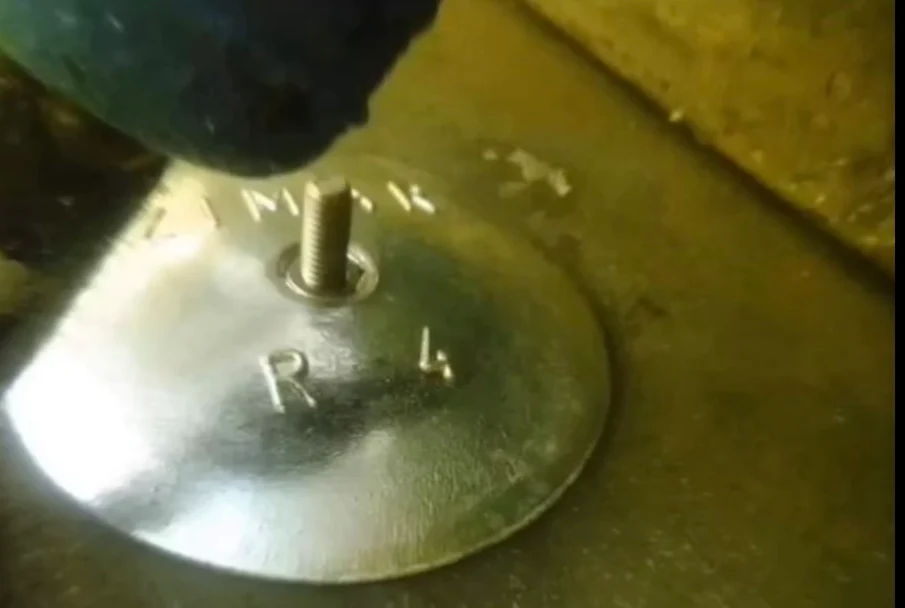
A zinc anode is a small block of zinc metal attached to the underwater surfaces of your boat. You’ll find them on propellers, rudders, shafts, trim tabs, and hull fittings. Their job is to improve their performance while reducing corrosion.
They’re often called sacrificial anodes, and that name tells you exactly what they do. They give themselves up to extend the lifespan of the boat’s metal parts.
The term “zincs” has become shorthand for sacrificial anodes in general, even though aluminum and magnesium versions also exist. This is because Zinc was the original material used for this purpose, and is still the go-to choice for saltwater environments like Southeast Florida.
Why Boats Need Zinc Anodes
When two different metals sit in saltwater, they create a small electrical current between them, almost like a weak battery. The electrons that make up that current come from one of the metals. That metal slowly gives up bits of itself in the form of metal ions to the surrounding water. This is called galvanic corrosion.
Zinc anodes are part of a broader system called cathodic protection. The anode corrodes in place of the more expensive metals on your boat, absorbing the electrochemical activity that would otherwise eat into them.
Saltwater is highly conductive, which makes it a prime environment for this kind of corrosion to take hold.
The most common victims are the aluminum propellers on stainless steel shafts, but struts, rudders, outboards, and stern drives are all at risk. Zinc sits low on the galvanic scale, which means it corrodes before these parts.
What a Zinc Anode Actually Does
So what is zinc anode in a ship doing on a daily basis? It draws electrochemical activity toward itself, away from your propellers and hull fittings. As long as it’s doing its job, these parts of your boat will continue to work as usual.
The moment it’s depleted, that protection disappears and corrosion moves on to whatever metal is nearby.
For the anode to work, it must have direct electrical contact with the metal it’s protecting. A shaft anode needs to be mounted right ahead of the propeller, or connected by a wire if direct contact isn’t possible.
Which is why you’ll never see an anode painted over. The zinc needs full full exposure to the water to function, and paint will shut it down completely. South Florida boat owners always make sure the surface under the anode is clean and bright before installation.
Zinc, Aluminum, or Magnesium: Which Anode Do You Need?
Since we’re in Southeast Florida, zinc anodes are the reliable option when protecting docked or anchored boats. That’s because zinc is the perfect choice for saltwater.
Zinc sloughs off oxide film buildup naturally, which keeps the anode active even when the boat isn’t moving. Aluminum anodes can film over and passivate during long periods of inactivity, making zinc the more reliable option for South Florida’s marina-based vessels.
Aluminum anodes suit boats that move regularly between saltwater and brackish water. They handle mixed conditions better than zinc and tend to last longer in that environment.
For freshwater, magnesium anodes are the strongest choice. Magnesium’s higher current output is what freshwater’s higher electrical resistivity requires.
Can zinc anodes protect against freshwater corrosion?
Yes, zinc anodes can offer some protection in freshwater. However, they’re not the best option here. Freshwater’s higher resistivity means zinc doesn’t generate enough current to protect effectively on its own.
Which means magnesium anodes are the better choice for freshwater. But if your boat splits time between salt and fresh, aluminum is the better choice.
What Happens When a Zinc Anode Fails
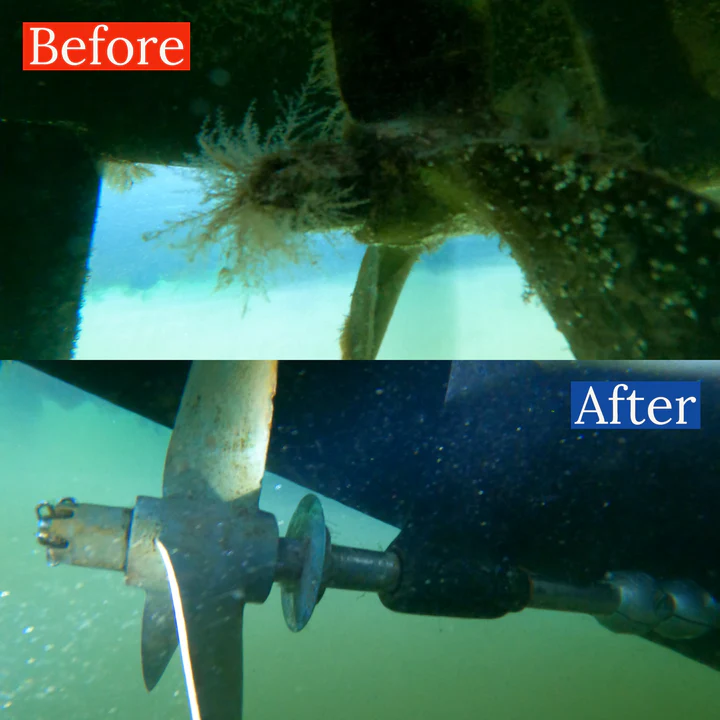
When a zinc anode wears down completely, galvanic corrosion shifts to the next available metal.
Propeller damage is one of the most common outcomes. A corroded propeller affects performance, fuel consumption, and handling. Shaft and rudder corrosion can be more serious, with repair costs that climb quickly depending on how long the problem went unnoticed.
In South Florida’s warm waters, higher water temperatures mean more dissolved oxygen, which accelerates corrosion rates further. This damage builds gradually. By the time it’s visible above the waterline, significant deterioration has often already occurred below.
How Often Should Zinc Anodes Be Replaced?
Inspect your anodes every one to three months and replace them when they’re more than 50% depleted. Most boat owners in South Florida need replacement every six to twelve months. Boats kept in high-salinity marinas or used frequently may need attention sooner.
Signs that replacement is due include:
- Anode is visibly more than half gone or looks thin
- Surface appears chalky, pitted, or uneven
- Corrosion showing on nearby metal parts
Note: Don’t wait until the anode is completely gone. Remember, they cost a fraction of what a corroded propeller or shaft repair will run you.
Once it’s fully depleted, it’s no longer protecting anything. Now that you know what is zinc anode in a ship, don’t let yours get to that point. If an anode corrodes to 50% in less than a year, the best course of action is to size up to a larger one next time.
Keeping Your Anodes in Check with Barnacle King
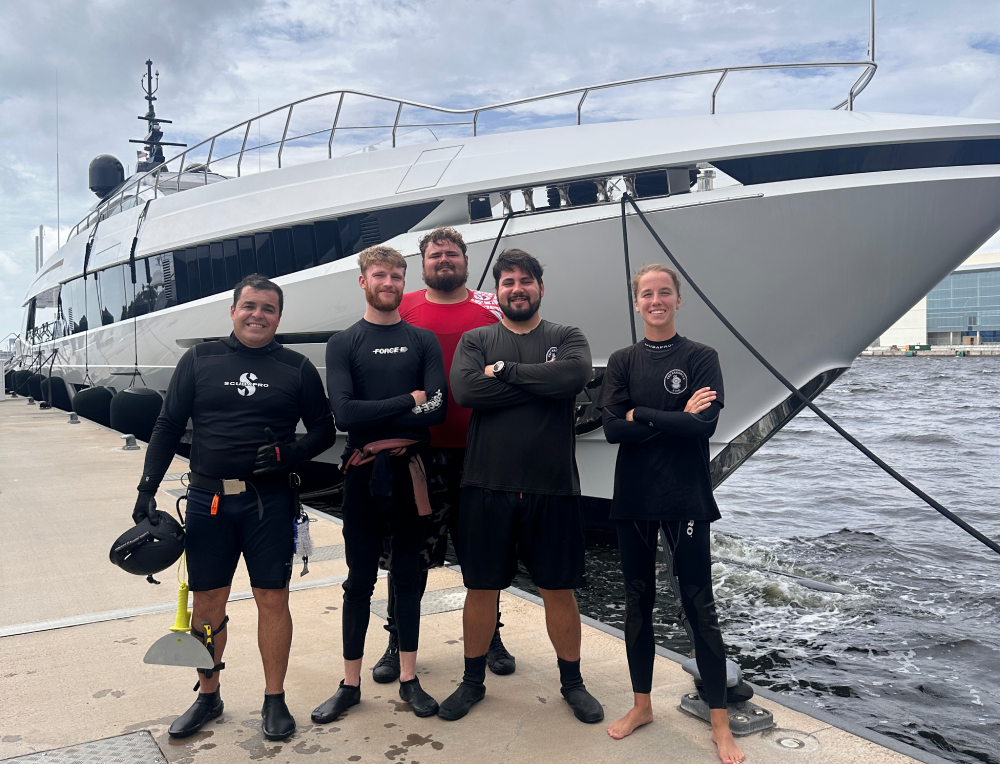
Most boat owners don’t have visibility into what’s happening below the waterline until something goes wrong. Regular inspections close that gap, they won’t usually see the underside of your boat when seen from a dock.
Barnacle King’s divers inspect and replace zinc anodes in the water, with no dry docking required. Every service includes before-and-after photos and a full dive report so you know exactly what was found and what was replaced.
Our team serves boat owners, marinas, and commercial vessels across Miami-Dade, Broward, and Palm Beach Counties. If your anodes haven’t been checked recently, schedule a look before corrosion gets a head start.